What is Vinyāsa Krama Mandiram
Yoga in the VKM way is not about achieving, it’s about unfolding.
Vinyāsa Krama Mandiram (VKM) is a system of yoga practice that teaches the body and breath to move together in a thoughtful and progressive way. The Sanskrit words describe its essence: Vinyāsa refers to the intelligent placement of movement, Krama means stages or progression, and Mandiram signifies a place of practice and learning.
Rather than emphasizing performance or complex postures, VKM focuses on awareness, breath, and gradual development. Each movement is connected to the breath, allowing practitioners to move with intention while cultivating internal stability and clarity.
The VKM system includes a structured approach of carefully designed sequences and breathing practices that guide practitioners step by step through their practice. These sequences range from foundational to advanced, allowing students to develop strength, mobility, and internal awareness over time.

The Lineage
The practice of Vinyāsa Krama is rooted in a broader tradition that connects yoga practice, philosophical inquiry, and self-realization.
At the foundation of this lineage stands Tirumalai Krishnamacharya, widely regarded as one of the most influential yoga teachers of the twentieth century. His teaching emphasized the integration of breath, movement, and meditation, and the principle that yoga should always be adapted to the individual practitioner. This approach became known as Vinyāsa Krama, a method of progressive sequencing that guides students step by step through practice according to their capacity.
Krishnamacharya’s teaching was deeply rooted in the philosophical traditions of India, particularly Advaita Vedanta, which explores the nature of consciousness and the realization of the Self as non-dual awareness. Advaita Vedānta traces its traditional lineage through many teachers and texts of Indian philosophy and has become one of the central philosophical frameworks of Hindu spiritual practice.
A profound modern expression of this tradition can be found in the teachings of Ramana Maharshi, the revered sage of Arunachala. Ramana Maharshi emphasized direct self-inquiry—the investigation of the question “Who am I?”—as a path to Self-realization. Rather than focusing on philosophical debate, his teaching encouraged the direct experience of the Self through quiet introspection and awareness.
Within this wider spiritual context, contemporary teacher Matthew Sweeney has continued to explore and transmit the principles of Vinyāsa Krama through decades of study and practice across multiple yoga traditions. Beginning his practice in the late twentieth century and drawing from systems such as Sivananda Yoga, Iyengar Yoga, and Ashtanga Yoga, he developed the Vinyāsa Krama Mandiram (VKM) system as a structured yet adaptable approach to practice that emphasizes self-practice, breath awareness, and personal exploration.
Through VKM, the physical discipline of yoga is understood not only as a method of developing the body, but as a support for deeper self-knowledge—a bridge between the practical traditions of yoga and the contemplative insight of Advaita.
The VKM Practice System
The Vinyāsa Krama Mandiram practice system is built upon the principle of progressive learning through stages. Movements and postures are arranged in sequences that gradually prepare the body and mind for deeper practice. Each sequence links movement, breath, and awareness, allowing practitioners to develop stability, mobility, and internal sensitivity over time.
A distinctive aspect of the VKM approach is its emphasis on individual practice. Rather than relying solely on group instruction, practitioners are gradually guided toward self-practice, where sequences are practiced independently with attentiveness and understanding. This method encourages practitioners to develop a personal relationship with the practice and to observe their breath, body, and mind with greater clarity.
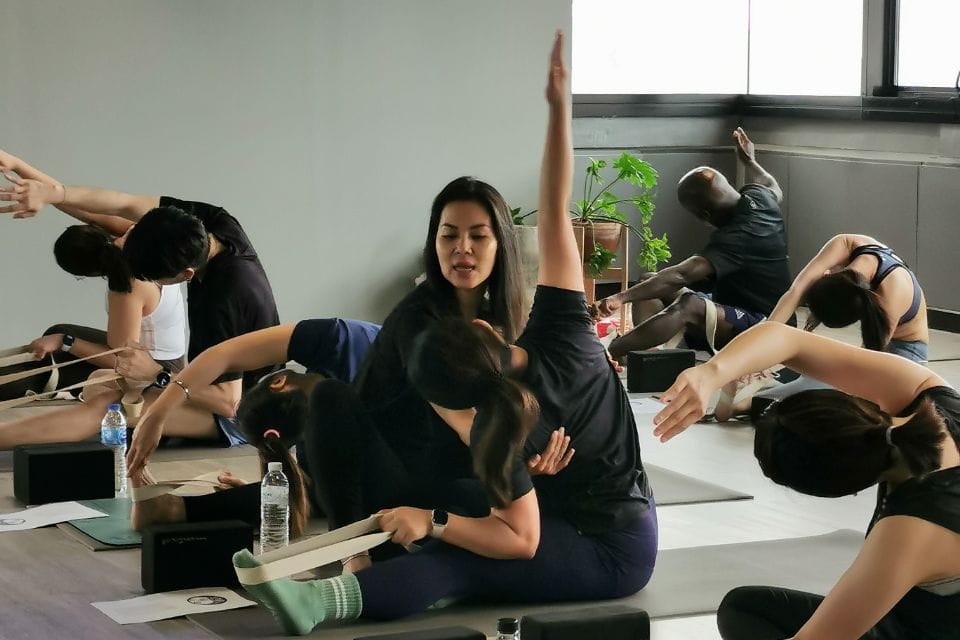
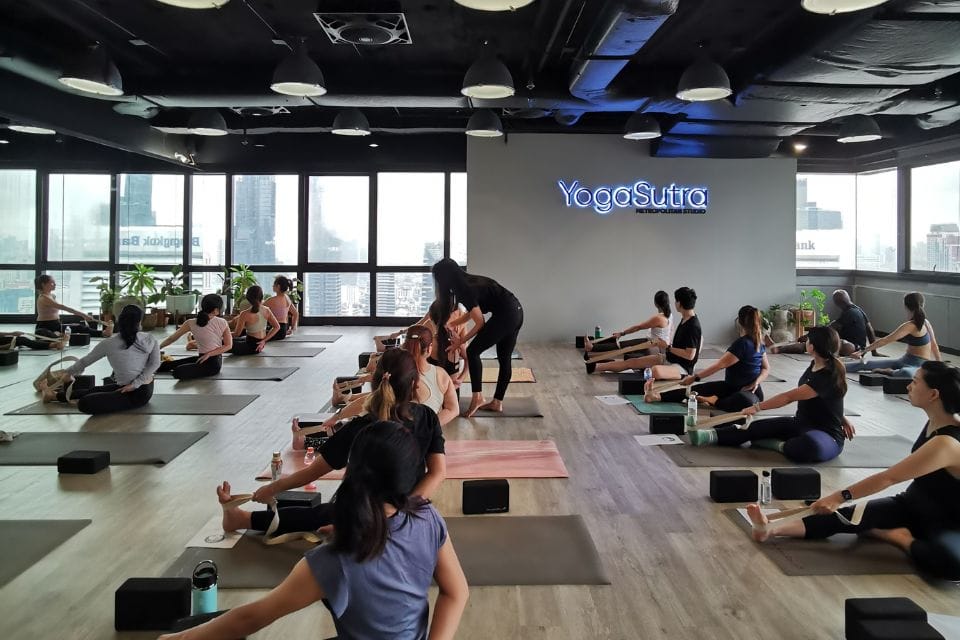
Unlike a regular group class where everyone follows the teacher in the same flow, VKM classes are more personal. You will still receive guidance, but you move through the sequence independently at your own rhythm. The teacher walks around the room, observing and offering one-on-one adjustments, feedback, and suggestions for your next step. This approach ensures that the practice truly matches your body, your breath, and your stage of development.
Each VKM class is designed around specific sequences known as Kramas, which represent different energetic qualities and intentions:
Ātapa Krama (Sun Sequence)
Builds strength, vitality, and inner heat.
Chandra Krama (Moon Sequence)
Encourages calm, balance, and introspection.
Simha Krama (Lion Sequence)
Cultivates courage, grounding, and precise alignment.
Each sequence unfolds gradually—moving from foundational postures toward deeper and more refined layers of awareness. Through the integration of āsana, prāṇāyāma, and meditation, practitioners develop a practice that becomes both structured and deeply personal.
Over time, VKM invites practitioners to experience yoga not simply as a class to attend, but as a self-guided practice that evolves through consistent exploration and understanding.

Who is VKM For
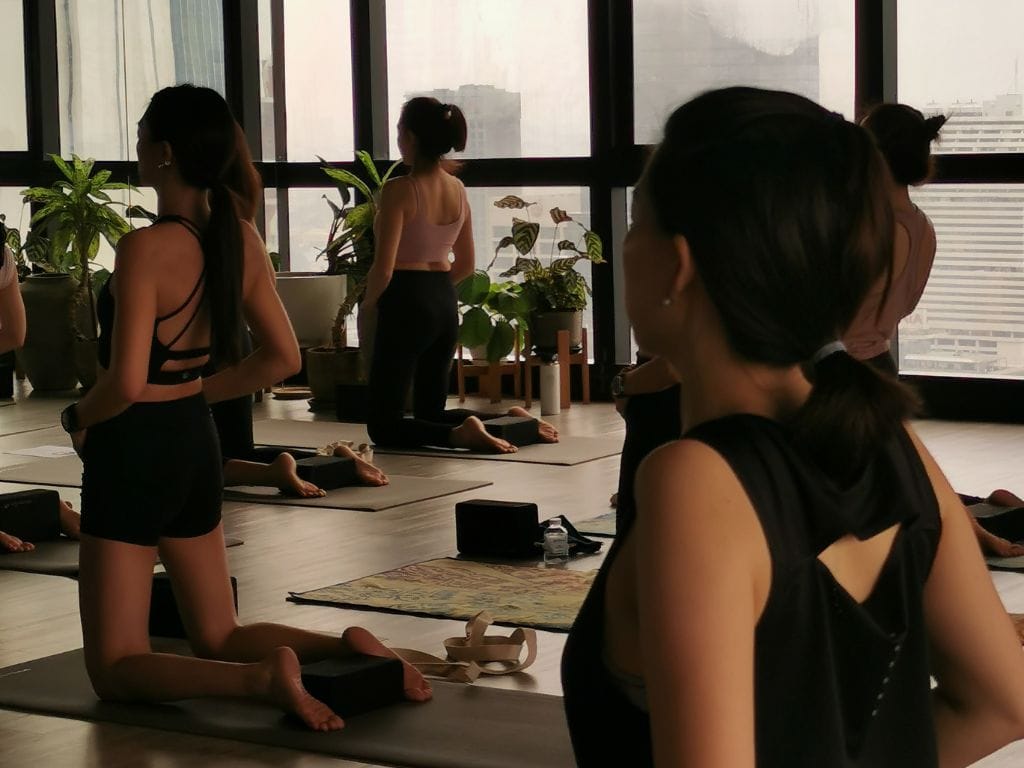
Vinyāsa Krama Mandiram is suitable for practitioners who are interested in developing a deeper and more attentive relationship with yoga practice.
It may be particularly meaningful for:
● students who wish to explore yoga beyond physical exercise
● practitioners seeking a structured and progressive system
● those interested in the traditional roots of breath-led movement
● individuals looking for a sustainable, long-term practice
Because the sequences can be adapted, VKM can support practitioners with different levels of experience and physical conditions.
Vinyāsa Krama Mandiram invites practitioners to approach yoga as a process of exploration rather than achievement.
Through mindful movement, breath, and steady practice, the system supports a deeper understanding of the body and the inner experience of yoga.
Experience the VKM method in practice with our instructors.
Start Your Yoga Today
Develop your strength, flexibility, health, and vitality. Live the moment where the soul meets the body.
BOOK NOW